

If your daughter is getting her ears pierced soon, chances are you've come across the word "hypoallergenic" more than once — on earring listings, in piercing studio recommendations, in other parents' conversations. It's a natural thing to wonder about, especially since sterling silver is one of the most common metals out there for kids' jewelry. The short answer is that sterling silver can be a great option for many children, but like most things in parenting, it helps to know a little more before you decide. A few small details — what's actually in that "925" stamp, how to spot a good quality piece, and what to expect in the first few weeks of wear — can make the whole process feel a lot less like guesswork.

What Does "Hypoallergenic" Actually Mean?
Here's something most parents don't realize: "hypoallergenic" isn't a regulated term. There's no official test a piece of jewelry has to pass before a brand can use that word on a label. In practice, it just means a material is generally less likely to cause irritation than something like nickel — not that it comes with any kind of guarantee. Every child's skin is a little different, so what feels perfectly comfortable for one kid might not be the exact right fit for another. So when you see "hypoallergenic" on a listing, it's a useful starting point, but it's worth understanding what's actually behind that word rather than treating it as an absolute promise.
Is Sterling Silver a Good Choice for Sensitive Ears?
For most kids, sterling silver works out just fine — but it helps to understand what you're actually buying. Sterling silver isn't pure silver; it's an alloy, meaning it's mixed with other metals to make it durable enough to hold its shape in everyday jewelry like earrings. That mix almost always includes copper, and depending on how the alloy is made, it can sometimes include a small amount of nickel too. Nickel tends to be the most common trigger when a child's skin is more reactive than usual, so it's one of the first things worth knowing about before choosing a pair of earrings. The good news is that quality sterling silver isn't made the same way as cheap costume jewelry, so it tends to be a much gentler option overall — it just helps to know what to look for.

Pure Silver vs. Sterling Silver (925)
This is where a lot of the confusion starts. Pure silver (999 fine silver) is too soft to hold up in everyday earrings — it bends and scratches easily, so it's rarely used on its own. Sterling silver, stamped ".925," means the piece is 92.5% silver and 7.5% other metals, almost always including copper. That 7.5% is where nickel content, if any, would come from. Nickel-free sterling silver does exist and is becoming more common as awareness around sensitive skin grows, but it's not automatically guaranteed just because a piece is stamped .925 — it depends on how the alloy is made. If your child has sensitive ears, it's worth confirming with the seller whether their sterling silver is specifically nickel-free rather than assuming based on the stamp alone.
What to Watch For After the First Few Wears
Every child's skin is different, so it's worth keeping an eye on how your daughter's ears look and feel during the first few weeks of wearing new earrings. A little redness or mild itchiness around the earlobe isn't unusual, especially right after a piercing, and it often has nothing to do with the metal at all — new piercings simply need time to settle. If something does seem to linger longer than expected, or your child mentions ongoing discomfort, it's always a good idea to give her ears a short break and check in with a pediatrician if you're ever unsure. Most kids adjust without any issues at all, but it's simply good practice to pay a little attention early on, the same way you would with any new accessory.

Sterling Silver vs. Other Popular Choices (Gold Vermeil, Titanium, Surgical Steel)
Sterling silver isn't the only option parents consider, so it helps to know how it compares to a few other common choices. Gold vermeil — a thick layer of real gold over sterling silver — offers a similar base metal but adds a gold surface that some parents prefer for everyday wear, since it combines the classic silver structure with a warmer, richer look. Titanium is another popular pick, especially for initial piercings, since it's naturally free of nickel and tends to be very well tolerated. Surgical steel is often recommended by piercing studios for the same reason, though the exact composition can vary between suppliers. None of these materials is universally "the best" — it really comes down to your child's skin, your budget, and the look you're going for. Many parents start with sterling silver or gold vermeil for everyday earrings and consider titanium or surgical steel specifically for the initial piercing period, then switch afterward.
What to Look for When Choosing Earrings
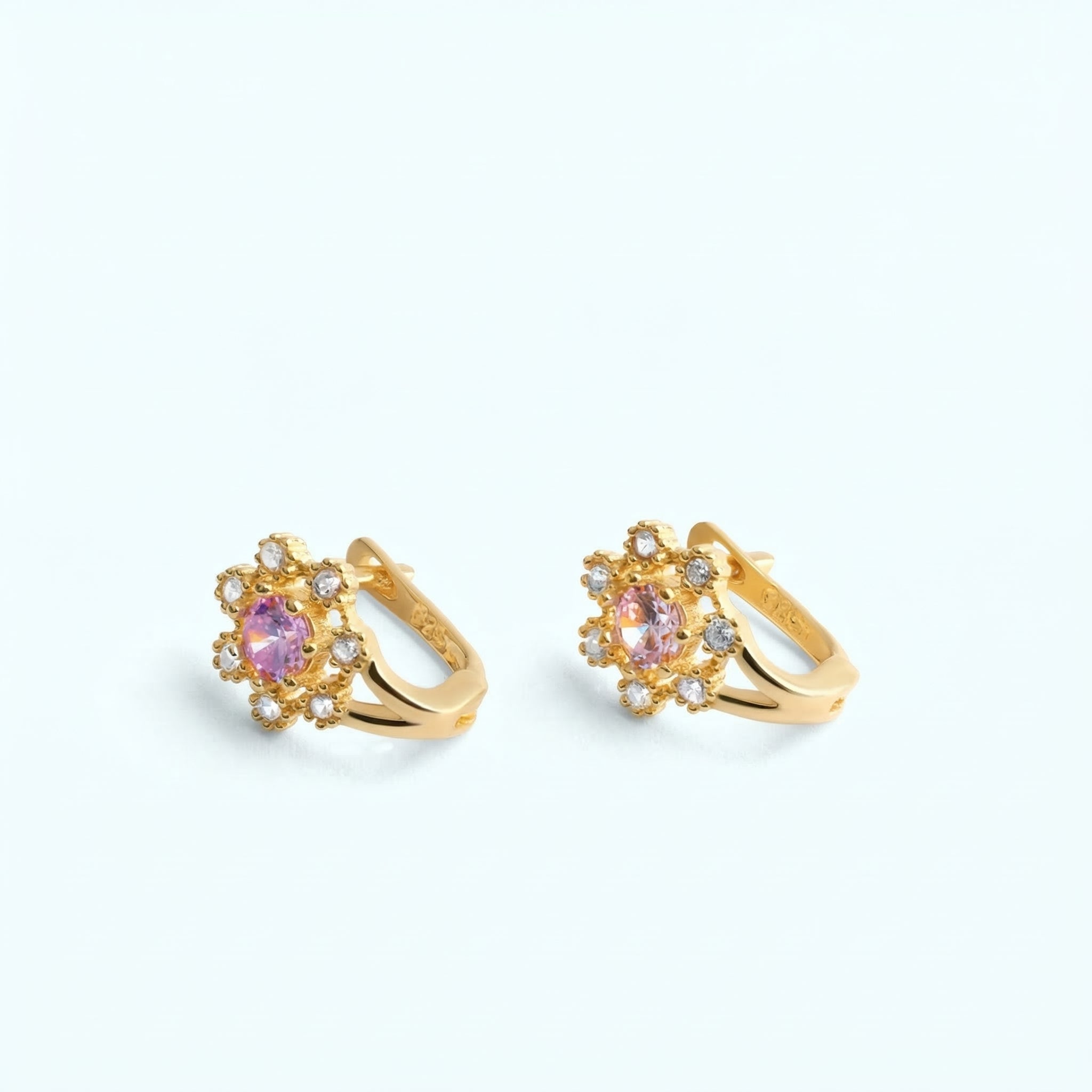
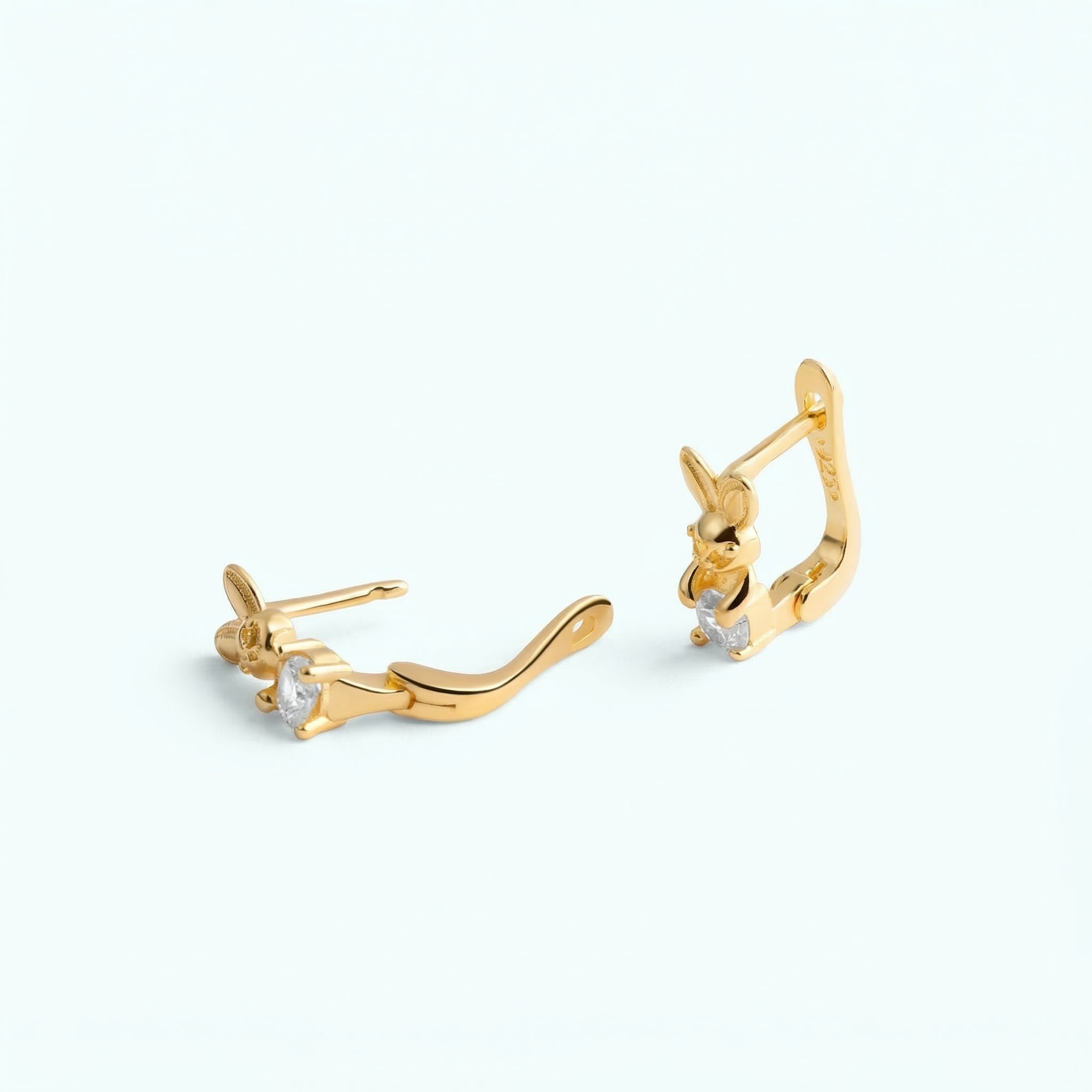
Once you've got a sense of the materials, choosing the right pair comes down to a few practical details. Look for a clear stamp or listing description confirming the metal purity — ".925" for sterling silver, for example — since reputable sellers will always disclose this. If nickel sensitivity is a concern, it's worth checking whether the listing specifically mentions "nickel-free," rather than assuming based on the metal type alone. Earring backs matter too: secure, comfortable backings make a real difference for younger kids who might tug or play with their earrings throughout the day. Finally, buying from a seller who's transparent about materials and sourcing generally makes the whole process easier, since you're not left guessing about what's actually touching your daughter's ears.
Simple Care Tips to Keep Ears Comfortable
A little care goes a long way in keeping earrings comfortable for daily wear. Keeping earrings dry — taking them out before swimming or showering, if possible — helps prevent buildup that can sometimes cause irritation. Gently cleaning earrings every so often with a soft cloth removes any residue from lotion, sweat, or everyday wear. It's also a good idea to avoid letting kids sleep in earrings that aren't specifically designed for it, since prolonged pressure on the same spot can sometimes make ears more sensitive. None of this requires anything complicated — just a bit of routine attention, the same way you'd care for any piece of jewelry your child wears often.

Choosing Your Daughter's First Earrings
Choosing your daughter's first earrings doesn't have to be complicated. Sterling silver remains a popular, comfortable choice for many families, and understanding a little more about what goes into it — the alloy, the stamp, the care that goes along with it — makes the decision feel a lot more straightforward. Every child is different, so paying attention during those first few weeks and choosing a seller who's upfront about materials will always be your best guide. Whatever you choose, a little knowledge now makes the whole experience easier, both for you and for her.
Leave a comment